Orthodontic Philosophy vs Technique: Understanding the Difference
In contemporary orthodontics, there is a persistent tendency to equate technique with therapeutic identity. Many clinicians assume that the use of a specific bracket system, aligner protocol, or prescription is sufficient to define a comprehensive treatment approach. However, this assumption overlooks a fundamental distinction: not all techniques possess the conceptual and clinical validity required to constitute a true therapeutic system.
A therapeutic philosophy can be defined as the structured set of biological, conceptual, and clinical principles that guide diagnosis, treatment planning, and clinical decision-making. It represents the intellectual framework through which the clinician interprets craniofacial growth, function, and response to treatment. In this sense, philosophy operates as the foundation upon which all clinical actions are built.
Conversely, a technique refers to the procedural and mechanical means by which treatment objectives are executed. This includes the selection of appliances, biomechanical strategies, and clinical protocols. Techniques are, by nature, adaptable and variable; they evolve with technological advancements and practitioner preference.
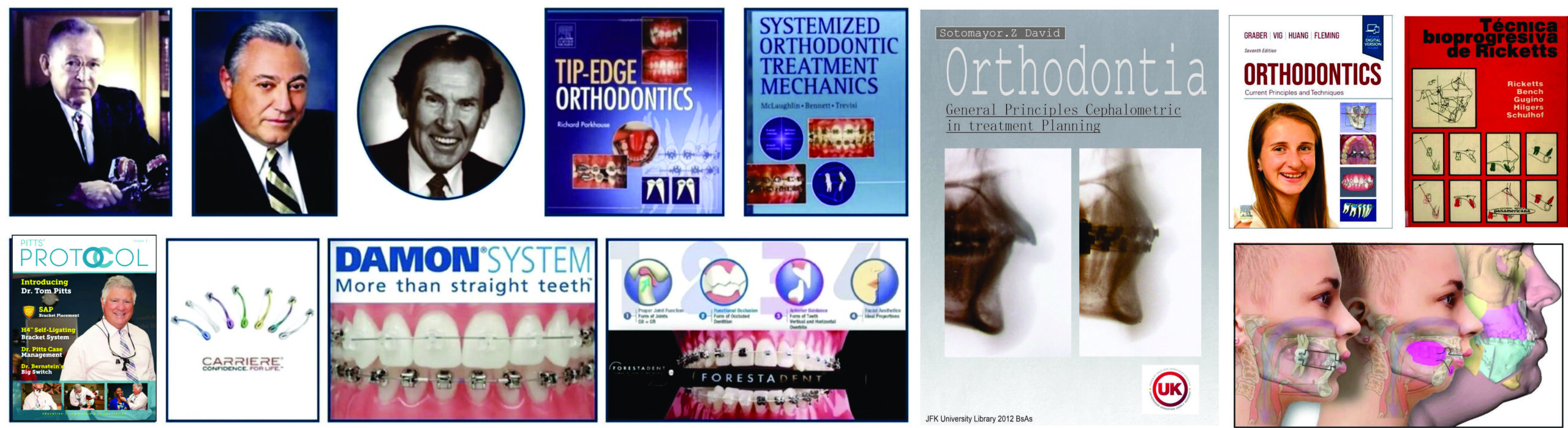
The distinction between these two concepts may be clarified through a simple analogy. In architecture, a philosophy corresponds to the principles of design—such as structural integrity, functionality, and spatial harmony—while techniques correspond to the materials and construction methods used. Different materials (steel, wood, or concrete) may be employed to realize the same architectural vision. However, the use of materials without a coherent design philosophy often results in structurally inconsistent or inefficient outcomes.
Similarly, in medicine, a surgical philosophy defines indications, timing, and biological considerations, whereas surgical techniques represent the operative methods. A change in technique does not necessarily imply a change in philosophy, but the absence of a guiding philosophy can compromise clinical predictability.
This distinction is particularly relevant in orthodontics due to the diversity of existing schools of thought and treatment systems. Even fundamental aspects—such as diagnosis, growth assessment, and biomechanical planning—are subject to varying interpretations depending on the clinician’s conceptual framework. Therefore, the explicit identification of the therapeutic philosophy underlying each approach becomes essential for consistency and scientific coherence.
Within this context, biologically oriented approaches, such as bioprogressive orthodontics, illustrate how a single philosophy can integrate multiple techniques without losing conceptual integrity. By emphasizing growth and development, functional balance, and individualized treatment planning, such frameworks allow for adaptability while maintaining a consistent clinical rationale.
The relationship between philosophy and technique can thus be summarized as follows: philosophy provides direction, while technique provides execution. Their integration is essential for achieving predictable and stable outcomes.
This concept is encapsulated in the following statement:
“A single philosophy (such as the bioprogressive approach) can be applied using different techniques, but a technique without a clear philosophy tends to yield less predictable results.”
From a scientific and educational perspective, advancing orthodontics requires more than the adoption of new technologies or protocols. It demands the development and application of coherent conceptual frameworks that allow clinicians to critically evaluate, adapt, and integrate techniques within a biologically sound and evidence-based context.
A strong orthodontic outcome is not defined by the technique alone, but by the philosophy that guides it. Techniques may evolve, but principles remain the foundation of consistency and predictability. Without a clear conceptual framework, clinical decisions become fragmented and less reliable. True excellence lies in aligning modern tools with timeless biological understanding.