
Broadminded Thinking Learn Orthoprogressive
Understanding Modern Bioprogressive Orthodontics.
Born in 2012 as an open-source pedagogical project, Orthoprogressive views orthodontics not just as treating teeth, but as a system of interconnected relationships. This bioprogressive philosophy seeks harmony, function, and aesthetics while respecting each patient’s biological timing and integrating modern technology.
Modern bioprogressive orthodontics promotes an objective and comprehensive approach to diagnosis and treatment planning, minimizing bias and emphasizing cephalometry—enhanced through ARCUS (Analysis of Relationships and Cephalometric Unified System)—for a more integrated and AI-assisted evaluation of craniofacial relationships.
Understanding facial biotypes is essential for accurate diagnosis and prognosis, as specific malocclusions are often associated with particular patterns. Through ARCUS-enhanced cephalometric analysis, clinical situations can be evaluated in depth, allowing every orthodontic movement to be clearly justified.. We will see many clinical situation objectively and deeply into cephalometric studies, justifying every single dental movement.
Because we will be closer to success when our decisions are fundamentally more objective that subjective.
Structured Learning Sequence
Step 1
Comprehensive diagnosis and cephalometric
Step 2
Understand the growth pattern and Biotypology
Step 3
Fundamental principles and specific appliances
Step 4
Functional stability as a final goal.
Assessment of all points of view and Confirmation Bias
On numerous occasions, when I first started talking about bioprogressive at conferences, classes, and clinical consultations, many modern dentists and orthodontists weren’t really open to hearing an approach labeled as “old-school.” I’ve spoken so many times about bioprogressive orthodontics that it might seem like a tired topic. But it isn’t. Based on the scientific and clinical support you’ll find on this platform the concepts that will help you understand bioprogressive orthodontics in a clear, structured and current way. One of the most well-known and popular aspects of bioprogressive therapy has been its great, though irregular, diffusion throughout the world, in Spain and France, has had and It has a great reputation, as it does in many Latin American countries. The great strength of bioprogressive therapy is the early treatments in mixed dentition. In this aspect, the identification of a growth pattern can predict and treat dental and or skeletal alterations that will consolidate in the end of adolescence.
Following the career of Robert M Ricketts and contemporary leaders such as Ronald Roth, Hugo Trevisi, Thomas Pitts as well as the widespread use of low-friction systems and clear aligners, current orthodontic approaches by the way are mainly focused on permanent dentition.
Contemporary orthodontics is characterized by the coexistence of multiple therapeutic philosophies, biomechanical systems, and commercially driven innovations. Our discipline has evolved into a highly diversified and technologically sophisticated field.
While this diversity has broadened treatment possibilities, it has simultaneously increased the susceptibility of clinicians to cognitive biases—particularly confirmation bias—in diagnosis and treatment planning. Read More.
THE EDITOR'S CORNER
Adherence to a single philosophy or technique may lead to confirmation bias, restricting the consideration of alternative approaches. Therefore, it is essential to adopt an open and critical perspective that integrates multiple orthodontic concepts. In this context, the author proposes combining modern technologies with our orthodontic philosophy. Read More.
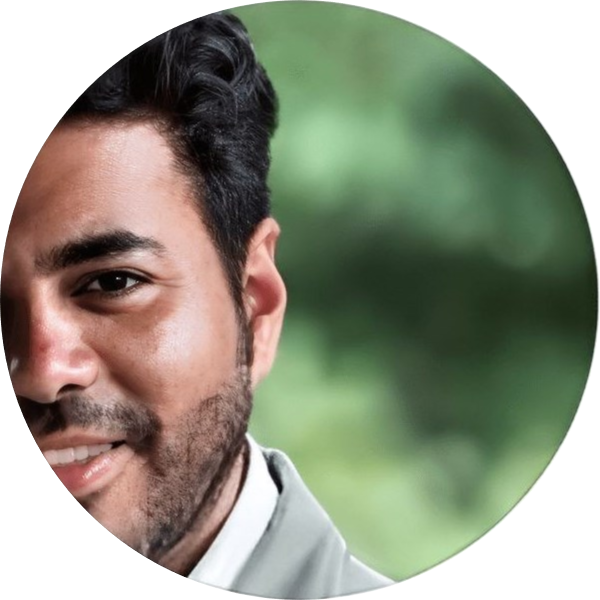
Dr. David Salomon Sotomayor, founder of Orthoprogressive obtained his dental degree from the Metropolitan University , Colombia (Unimetro) in 1997. He then attended John F. Kennedy University in Buenos Aires (BA), Argentina (Kennedy U.), where he completed his orthodontic training and received his specialist degree in orthodontics in 2004. After completing his thesis work related to facial biotypologies, Dr. Sotomayor is proud to have received a direct invitation from the academic committee to join the faculty at Kennedy U, working uninterruptedly in the area of cephalometric diagnosis and Ricketts bioprogressive clinic for 13 years. Wanting to improve the success rate of his orthodontic treatments, in 2006 he completed a postgraduate degree in minor implant surgery at the Circulo Argentino de Odontología (CAO). Introducing the new for that time the temporary anchorage screws TADs . This allowed him to teach theoretical and practical courses both at his alma mater and at various institutes in Buenos Aires.
Finally began medical studies in 2011 at the Universidad Abierta Interamericana (UAI) with the goal of furthering his surgical training. Those formative years allowed him to improve his understanding of the human body more comprehensively, understanding and confirming that our patients are not just a bunch of crooked teeth but rather physiologically connected systems.

All rights reserved. No part of this publication may be reproduced, stored in a retrieval system, or transmitted, in any form or by any means electronic, mechanical, photocopying, recording or otherwise, except with permission from Orthoprogressive.com
Resources
Home
About Us
Exploring ARCUS
Formation
Quick Links
Clinical Cases
Blog
Podcast